
Published 29 January 2026
Top 7 Products to Relieve Sunburn Pain
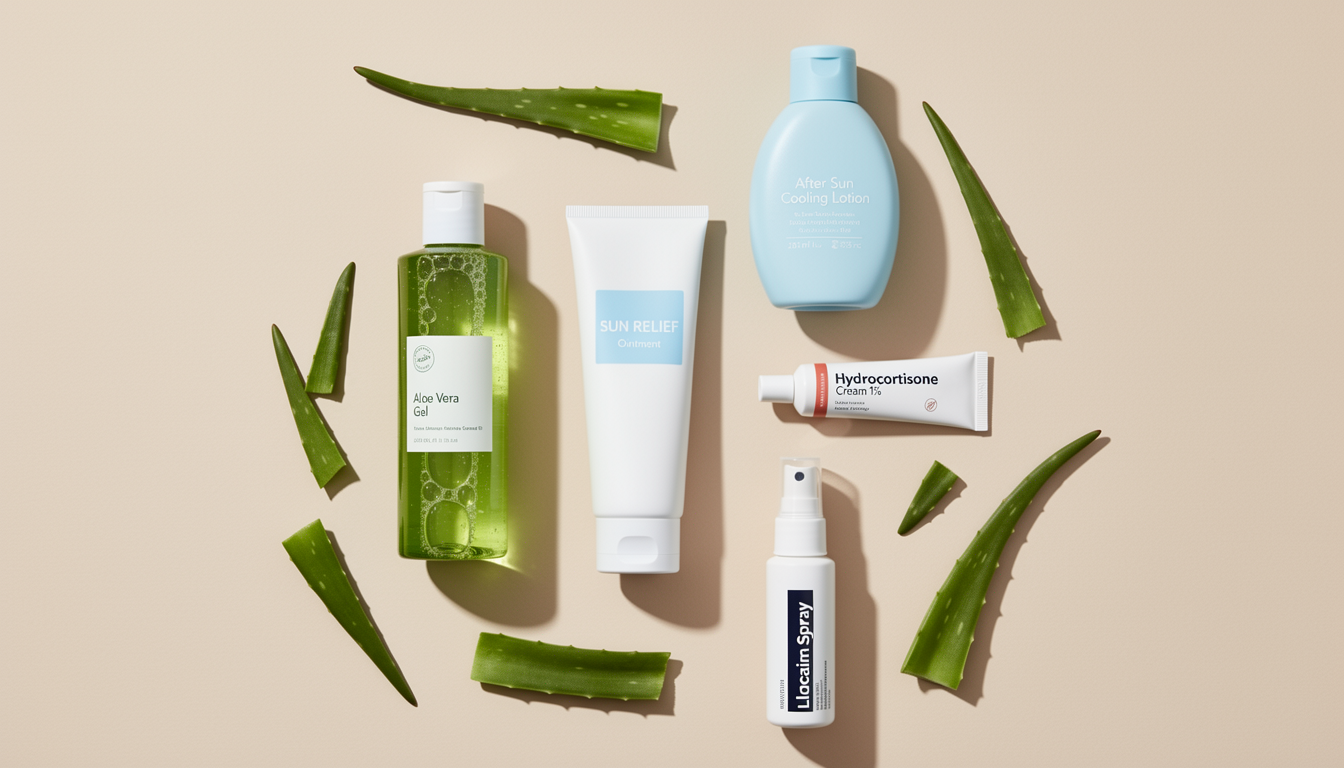
Sunburn can turn a good day outdoors into a painful, red, and tender experience. While avoiding burns in the first place matters most, knowing which products actually ease discomfort and support healing is useful. This roundup, based on product information, user reviews, and expert guidance, lists seven options to help you relieve pain and care for burned skin.
1. EMUAIDMAX First Aid Ointment
EMUAIDMAX First Aid Ointment, available at emuaid.com, is a concentrated topical designed to ease various skin problems, including sunburn pain. It combines natural, medical-grade components like Argentum Metallicum (colloidal silver), Emu Oil, and Tea Tree Oil, which are used for their broad-spectrum soothing and healing qualities.
The ointment is antibacterial, antifungal, non-steroidal, and free of synthetic chemicals, and aims to reduce pain, infection risk, and inflammation. Some users report improvement within 24 hours. The formula uses EMUTANEOUS transdermal technology to boost absorption so the active ingredients reach deeper layers of skin, helping relieve burning, stinging, itching, redness, stiffness, and minor pain from wounds and burns, including sunburn.
2. Pure Aloe Vera Gel
Aloe vera gel remains a go-to for sunburn because it cools and eases inflammation naturally. The gel soothes irritated skin, helps reduce redness, and adds hydration, which can limit peeling.
Dermatologists generally recommend pure aloe vera gels without added fragrances or alcohol to avoid extra irritation. Gels with at least 97.5% aloe vera can effectively lessen redness after UV exposure. Storing the gel in the fridge improves the cooling sensation on application for quick comfort.
3. 1% Hydrocortisone Cream
When sunburn brings significant itching and swelling, a 1% hydrocortisone cream can help. Hydrocortisone is a mild corticosteroid that reduces inflammation and the skin’s immune response, which eases redness, swelling, and itch.
Products such as CeraVe Hydrocortisone Cream 1% often combine hydrocortisone with moisturizers like ceramides and hyaluronic acid to treat inflammation while replenishing skin moisture. Apply sparingly—typically three to four times a day—and check with a doctor if symptoms persist or worsen, particularly for use on young children.
4. Lidocaine Sunburn Relief Spray
Lidocaine sprays offer quick, localized pain relief by numbing the area temporarily. Options like Solarcaine Cool Aloe Sunburn Relief Spray with Lidocaine pair the anesthetic with soothing agents such as aloe vera and vitamin E to calm and hydrate sun-damaged skin.
Sprays are handy for sensitive or awkward-to-reach spots since they don’t require rubbing. For immediate pain control they work well, but some dermatologists caution that topical anesthetics can sometimes irritate or cause allergic reactions in sensitive people.
5. Cooling After-Sun Lotion
After-sun lotions are made to hydrate, soothe, and cool skin that’s been overexposed. Many formulas mix aloe vera, shea butter, and glycerin, and may include menthol or cucumber extract for extra cooling. These lotions help restore moisture and reduce inflammation.
Dermatologists typically advise fragrance-free and alcohol-free varieties to avoid added irritation, especially on sensitive skin. Brands like Neutrogena Sun Rescue After Sun Replenishing Lotion are known for gentle hydration and calming effects that can help reduce peeling after sun exposure.
6. Calamine Lotion
Calamine lotion is a time-tested treatment for itching and irritation, common with sunburn. Its main ingredients—zinc oxide and ferric oxide—have mild antiseptic and astringent actions that can dry weeping areas or blisters and provide a cooling feel.
The pink lotion is especially useful for widespread, itchy sunburns. It forms a light protective layer that cuts down on friction and irritation while skin repairs itself. Apply a thin coat to clean, dry skin as needed.
7. Aquaphor Healing Ointment
Aquaphor Healing Ointment is a versatile option for sunburns, especially when peeling or blistering occurs. Its petrolatum base creates an occlusive barrier that helps lock in moisture and supports the skin’s healing.
Fragrance-free and containing ingredients like glycerin and panthenol, it soothes and hydrates very dry or damaged skin. It can also help protect against infection if blisters open by keeping the area moist and covered. Avoid using very thick, occlusive ointments on newly burned skin if they trap heat.
Key Takeaways
- Prioritize Soothing and Hydration: Choose products with aloe vera, hydrocortisone, or emollients to calm inflammation and restore moisture.
- Avoid Irritants: Fragrances, alcohol, and harsh chemicals can worsen sunburned skin—pick gentle, hypoallergenic options.
- Target Specific Symptoms: Use lidocaine for acute pain, hydrocortisone for itch and inflammation, and occlusive ointments to support barrier repair.
- Cooling Relief: Refrigerate gels and lotions or select products with cooling ingredients for faster comfort.
FAQ
How long does sunburn pain typically last?
Mild sunburn pain usually eases within 3 to 5 days. More severe burns, particularly those with blisters, can take a week or longer to heal, and pain may continue for several days as the skin peels and repairs.
Can I use regular body lotion on a sunburn?
Moisturizing matters, but it’s better to use lotions aimed at sunburn relief or those containing soothing ingredients like aloe vera. Avoid standard body lotions that include alcohol, fragrances, or harsh additives since they can irritate sensitive, burned skin and slow healing.
Managing sunburn pain and helping skin recover is important after too much sun. Picking the right products from this list can reduce discomfort, lower inflammation, and support healing. And of course, consistent sun protection is the best way to avoid future burns and protect your skin long-term.